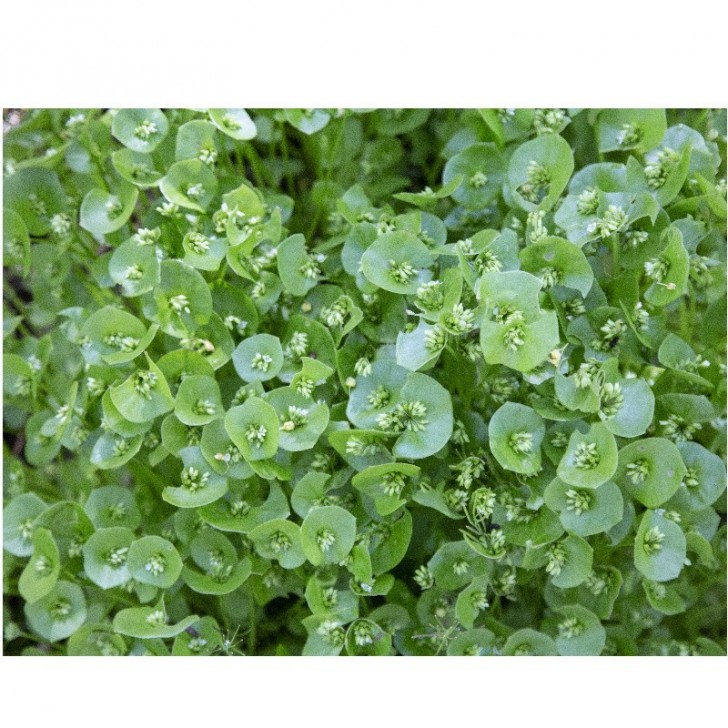
Pourpier d'hiver (Claytonia Perfoliata)
Product Available

Pourpier d'hiver (Claytonia Perfoliata)

Brand: Graines Bocquet

€3.99 à la pièce

Appelé également Claytone de Cuba, le pourpier d'hiver est une plante aromatique trapue à larges feuilles vertes (extrêmement larges), charnues et nombreuses, à saveur très douce.

Pourpier
View on site
by Les Graines Bocquet

Pourpier d'hiver (Claytonia Perfoliata)

Appelé également Claytone de Cuba, le pourpier d'hiver est une plante aromatique trapue à larges feuilles vertes (extrêmement larges), charnues et nombreuses, à saveur très douce.

Informations

  • Type: PRODUCT
  • Prix: 3.99€ / à la pièce
  • Marque: Graines Bocquet
  • Catégories: Pourpier
  • Disponibilité: En stock

Caractéristiques

  • Poids (sans emballage): 3.800000 g
  • Référence: 411201
  • Nombre de graines: 300 graines environ
  • Semences reproductibles: Oui
  • Difficulté de culture: Facile
  • Type de variété: Non hybrides/reproductibles

Tarification

  • Prix régulier: 3.99€
  • Devise: EUR

Métadonnées

Winter Purslane Market Analysis

Positioning and Trends

Winter purslane, or Claytonia Perfoliata, is increasingly sought after by amateur gardeners for its cold resistance and culinary versatility. With the rise of urban and sustainable gardening, this aromatic plant fits perfectly into current trends, promoting environmentally friendly cultivation. Compared to other aromatic plants, purslane stands out for its ease of cultivation and nutritional value, thus attracting a clientele concerned about their health and the quality of their diet.

Growing Winter Purslane in Hauts-de-France

Growing Conditions and Practical Tips

In Hauts-de-France, winter purslane is easy to grow thanks to its cold resistance. Prefer well-drained soil rich in organic matter. Sow from September to October for a spring harvest. Avoid periods of intense frost and protect your plants with a protective cover if necessary. This plant is ideal for urban gardeners with limited space, as it can be grown in pots or planters on a balcony.

Winter Purslane Use Cases

For the Committed Amateur Gardener

As a committed amateur gardener, you will appreciate winter purslane for its mild flavor and ease of cultivation. Add it to your salads for a crunchy and nutritious touch, while contributing to local biodiversity by cultivating a lesser-known variety.

For the Sustainable Discoverer Neo-Gardener

If you are new to gardening, winter purslane is an excellent option. Easy to grow, it will allow you to familiarize yourself with gardening while providing you with a quick and tasty harvest. Use it in your first cooked dishes to discover its multiple uses.

Frequently Asked Questions about Winter Purslane

What is the best time to sow winter purslane?

Winter purslane is sown from September to October for a spring harvest. It can also be sown in early spring for a summer harvest.

How to Use Purslane in Cooking?

Winter purslane is delicious raw in salads, in sandwiches, or cooked like spinach in hot dishes. Its mild flavor makes it an excellent addition to many dishes.

Winter Purslane: An Aromatic Plant to Discover

A Culinary and Ecological Treasure

Winter purslane, often overlooked, deserves to be rediscovered. Rich in vitamins and minerals, this aromatic plant is not only beneficial for health but also contributes to the preservation of biodiversity. By cultivating heirloom varieties like purslane, you participate in the safeguarding of our plant heritage while enjoying authentic flavors.

About Les Graines Bocquet

View full business page
Maison / Jardin Commerce alimentaire